Part 1: Back on Court at 40 — And I Know Nothing About Racquets
2026-03-15
Part 1: Back on Court at 40 — And I Know Nothing About Racquets
I got back into racquet sports through Pickleball, fell into tennis, and discovered I'd been holding a racquet without understanding a single thing about it.
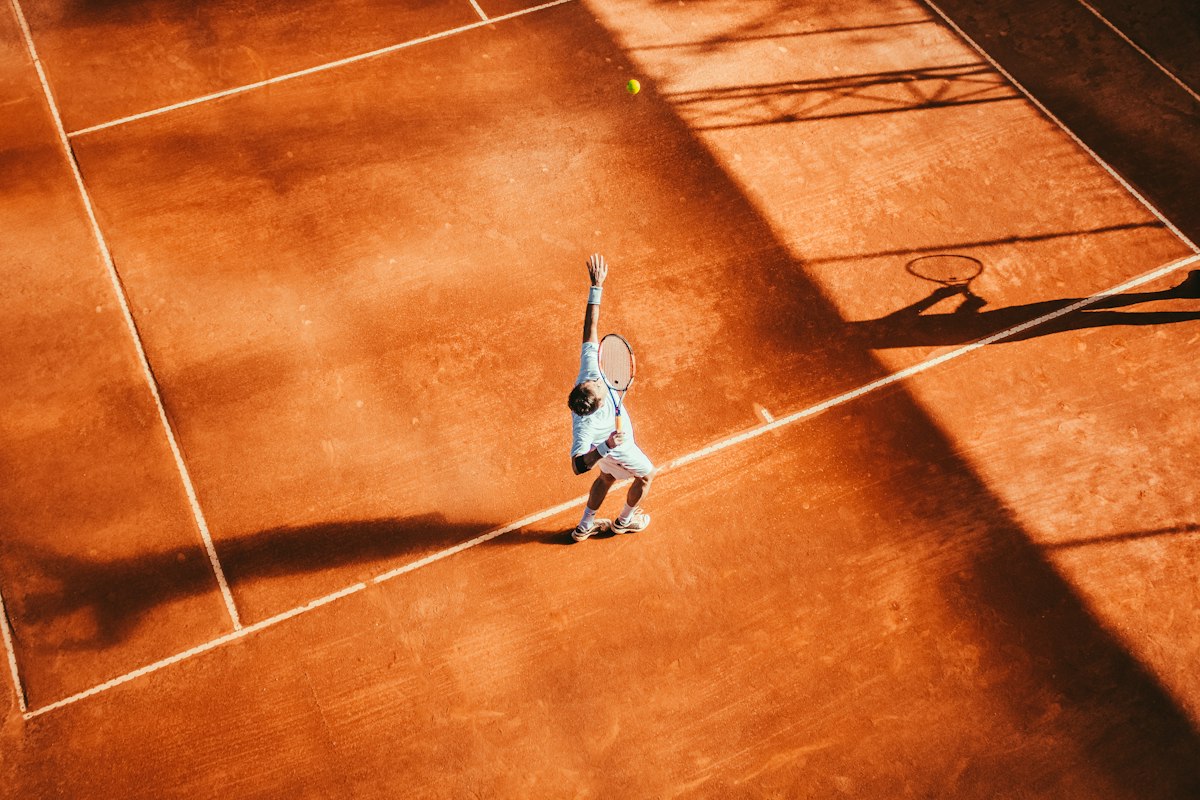
Sometime in early 2025, I noticed a pickleball arena had opened near my place in Bengaluru and thought I'd give it a go. I'd played tennis as a kid — nothing serious, just casual hitting — and hadn't touched a racquet since. Pickleball seemed low-stakes enough to try.
It was great. Genuinely fun, easy to pick up, and surprisingly social. I met a bunch of interesting people and made some real friends. If you're looking for an on-ramp back into racquet sports, you could do a lot worse.
But somewhere around October 2025, I wanted more. The tennis itch had come back. I still play both, but tennis is where I've gotten properly serious — 6 to 8 hours a week, studying technique, boring my friends with string tension opinions. The usual.
This series is mostly about tennis, but it's part of a broader thing — getting active again at 40 after years of being mostly sedentary. Pickleball, tennis, maybe hikes and other adventures down the line. Turns out there's a lot of good stuff waiting on the other side of "I should probably get off the couch."
The Racquet I Picked (and Why)
When I decided to play tennis properly, I did what anyone would do: I watched a lot of YouTube. Review after review of "player's racquets" — frames that serious players use, with control-oriented specs and smaller sweetspots. The Tecnifibre TFight 305 kept coming up. 98 square inches, 305 grams, a proper player's frame.
So I bought two.

I strung them with Solinco Mach 10 polyester at 54/52 lbs because that's what the YouTube reviews suggested would work, and I didn't know enough to question it. Full-bed polyester in a stiff, control-oriented frame — the harshest possible setup for arm comfort, though I didn't know that at the time either.
The TFight 305 is a genuinely good racquet. It gives you honest feedback: hit cleanly and it rewards you, hit lazily and you'll know about it immediately. That's valuable. But I was using it for everything — practice, matches, long sessions in the heat — without understanding that I was essentially wearing dress shoes on a trail run.
The Federer Backhand Experiment
I should mention: I also decided to play with a one-handed backhand. Because I'd learnt one as a kid, and because — let's be honest — Federer made it look like the most beautiful shot in tennis.
The reality was less beautiful. My one-handed technique was rough, and a poorly executed one-hander puts a lot of load through the wrist. I'd actually adapted to hitting two-handed in Pickleball sometimes, so the movement wasn't completely foreign.
Eventually pragmatism won. I switched to a two-hander full-time — more consistent, more forgiving on the wrist, and it turns out Djokovic made that one look pretty good too. The Federer dream can wait.
Paying Attention (Finally)
The real shift wasn't buying new equipment. It was noticing things I'd never paid attention to before.
I hit flat. My natural swing produces a flat ball. When I miss, it goes long — past the baseline, not into the net. This sounds like a minor detail but it turns out to be important for equipment selection. A lot of racquets marketed as "easy power" launch the ball on a higher arc, which is great for topspin players and actively unhelpful for someone who already sends balls to the back fence.
The arm pain had a specific pattern. Flat first serves — wrist and tricep pain. Slice second serves — nothing at all. So the issue wasn't generalised arm weakness. It was specifically about absorbing direct, head-on impact forces.
Fatigue changed my game in a predictable way. First set: fine. Second set: every shot landed shorter and shorter. I couldn't generate my own depth when tired, and the TFight 305 doesn't hand you free depth — you earn every centimetre.
Six months earlier, if you'd asked me what kind of player I was, I'd have said "not great" and moved on. Now I could describe how I wasn't great, in terms that translated directly into equipment requirements. That felt like progress.
When Specs Start Making Sense
The unexpected payoff: once I understood my own game, racquet specs stopped being meaningless numbers on a website. Each one became a trade-off with consequences I could actually feel on court.
Head size — my 98 sq in TFight is precise when I'm striking cleanly, but unforgiving on mis-hits. A 100 sq in head gives more margin when I'm tired and not centring the ball.
Stiffness (RA) — lower number means more flex, generally kinder to the arm. But very flexible frames can feel vague if you hit flat. There's a middle ground between "arm-friendly" and "I can feel where my shot is going."
String pattern — an open 16×19 gives the ball slightly more lift. For a flat hitter whose misses go long, that bit of extra net clearance is a useful built-in safety net.
Weight and balance — 300g at 4 points head-light swings very differently from 300g at even balance. Same weight, different racquet entirely.
I went from picking gear based on what YouTube reviewers recommended to understanding why different specs produce different results for my specific game. That's been one of the more satisfying parts of the whole comeback.
Two Racquets, Two Jobs
The key insight was simple: I don't need one racquet to do everything.
The TFight 305 stays in the bag as a technique mirror — honest feedback during focused practice. But for matches and longer sessions, I need something that protects my arm, gives me depth when I'm running on fumes, and works with my flat hitting instead of against it.
Two racquets, two jobs. The TFight for learning. Something new for competing.
Finding that something new is Part 2.
Next: How I chose the Yonex EZONE 100, and why strings turned out to matter more than the frame.
Tags: tennis racquet-selection tecnifibre-tfight equipment pickleball active-life